
 Image 1 of 1
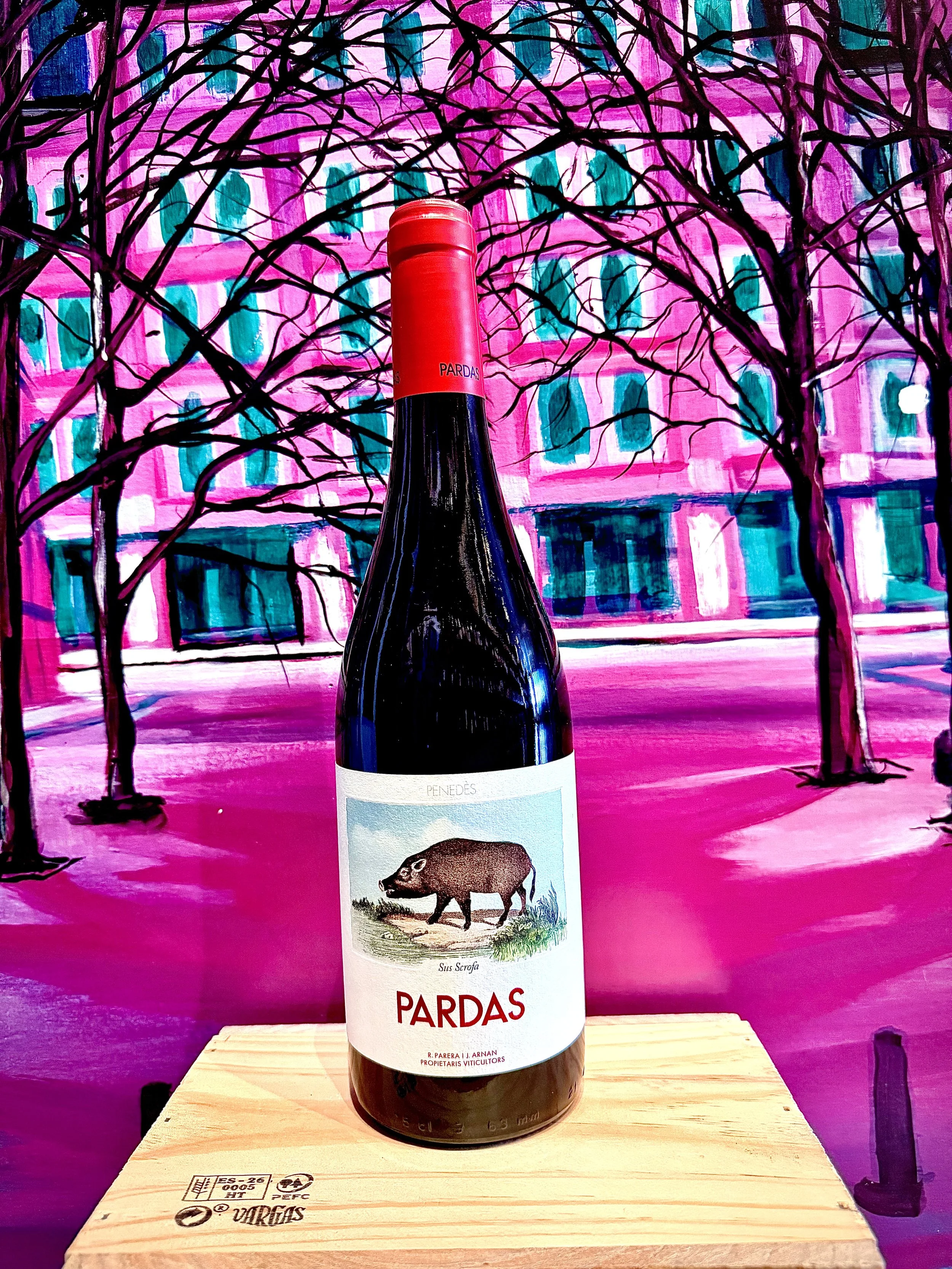
Celler Pardas 'Sus Scrofa' Negre
Grapes — 100% Sumoll
Region — Alt Penedès, Catalonia, Spain
Tasting Notes — Deep ruby with a lively, aromatic nose — amarena cherry, dried red fruit, wild herbs, and a whisper of leather and clove. The palate is a revelation: light-bodied and precise, like a Pinot Noir in weight, but with the structural backbone of a Nebbiolo — high acidity, chewy savory tannins, and a long, mineral finish with a subtle kick of spice. Depth and concentration without heaviness. An arrow straight to the heart of what indigenous Catalan wine can be.
The Wine — 100% Sumoll from three hand-farmed parcels on clay and chalky limestone soils, the oldest of which was planted over 70 years ago. Fifty percent whole cluster fermentation in gravity-fed concrete tanks, four months aging in concrete, bottled unfined and unfiltered. Sumoll is notoriously difficult in the vineyard — high acid, harsh tannins, and a brutally long ripening cycle — which is precisely why it nearly disappeared. In the right hands, it is extraordinary.
Farming — Organically farmed using what Pardas calls "non-cultivation" — no herbicides, no insecticides, no synthetic inputs of any kind, and no tilling, to protect soil microbiological life and prevent erosion. Spontaneous vegetation is maintained as ground cover throughout the vineyards. The estate's 60 hectares include Mediterranean forest, pasture, and cereal crops farmed as a single integrated ecosystem alongside the vines.
Winemaking — Native yeast fermentation only. Fifty percent whole cluster. Concrete tanks throughout — gravity fed, no pumping. Aged four months before bottling. Never fined, never filtered, never corrected. The wines at Pardas, in their own words, are expressive and very direct.
The Producer — Ramon Parera and Jordi Arnan founded Celler Pardas in 1996, when they discovered an abandoned 60-hectare medieval estate called Can Comas in the hills of Alt Penedès, scarred by the Spanish Civil War and long neglected. They painstakingly restored the cellar, planted new vineyards using cuttings taken from old indigenous vines found in the surrounding region, and quietly became two of the most important figures in the revival of Catalan native varieties. The wild boar — Sus Scrofa in Latin — roams the forests surrounding the estate and serves as Pardas' emblem: stubborn, difficult, rooted in place, and surprisingly magnificent. It is an entirely fitting mascot for a winery that has spent nearly three decades doing things the hard way, with results that no one else in the region can replicate.
Drink It With — Grilled lamb chops, slow-braised pork, mushroom and herb risotto, aged Manchego, or the most ambitious thing currently simmering in your largest pot.
Celler Pardas 'Sus Scrofa' Negre
Grapes — 100% Sumoll
Region — Alt Penedès, Catalonia, Spain
Tasting Notes — Deep ruby with a lively, aromatic nose — amarena cherry, dried red fruit, wild herbs, and a whisper of leather and clove. The palate is a revelation: light-bodied and precise, like a Pinot Noir in weight, but with the structural backbone of a Nebbiolo — high acidity, chewy savory tannins, and a long, mineral finish with a subtle kick of spice. Depth and concentration without heaviness. An arrow straight to the heart of what indigenous Catalan wine can be.
The Wine — 100% Sumoll from three hand-farmed parcels on clay and chalky limestone soils, the oldest of which was planted over 70 years ago. Fifty percent whole cluster fermentation in gravity-fed concrete tanks, four months aging in concrete, bottled unfined and unfiltered. Sumoll is notoriously difficult in the vineyard — high acid, harsh tannins, and a brutally long ripening cycle — which is precisely why it nearly disappeared. In the right hands, it is extraordinary.
Farming — Organically farmed using what Pardas calls "non-cultivation" — no herbicides, no insecticides, no synthetic inputs of any kind, and no tilling, to protect soil microbiological life and prevent erosion. Spontaneous vegetation is maintained as ground cover throughout the vineyards. The estate's 60 hectares include Mediterranean forest, pasture, and cereal crops farmed as a single integrated ecosystem alongside the vines.
Winemaking — Native yeast fermentation only. Fifty percent whole cluster. Concrete tanks throughout — gravity fed, no pumping. Aged four months before bottling. Never fined, never filtered, never corrected. The wines at Pardas, in their own words, are expressive and very direct.
The Producer — Ramon Parera and Jordi Arnan founded Celler Pardas in 1996, when they discovered an abandoned 60-hectare medieval estate called Can Comas in the hills of Alt Penedès, scarred by the Spanish Civil War and long neglected. They painstakingly restored the cellar, planted new vineyards using cuttings taken from old indigenous vines found in the surrounding region, and quietly became two of the most important figures in the revival of Catalan native varieties. The wild boar — Sus Scrofa in Latin — roams the forests surrounding the estate and serves as Pardas' emblem: stubborn, difficult, rooted in place, and surprisingly magnificent. It is an entirely fitting mascot for a winery that has spent nearly three decades doing things the hard way, with results that no one else in the region can replicate.
Drink It With — Grilled lamb chops, slow-braised pork, mushroom and herb risotto, aged Manchego, or the most ambitious thing currently simmering in your largest pot.