
 Image 1 of 1
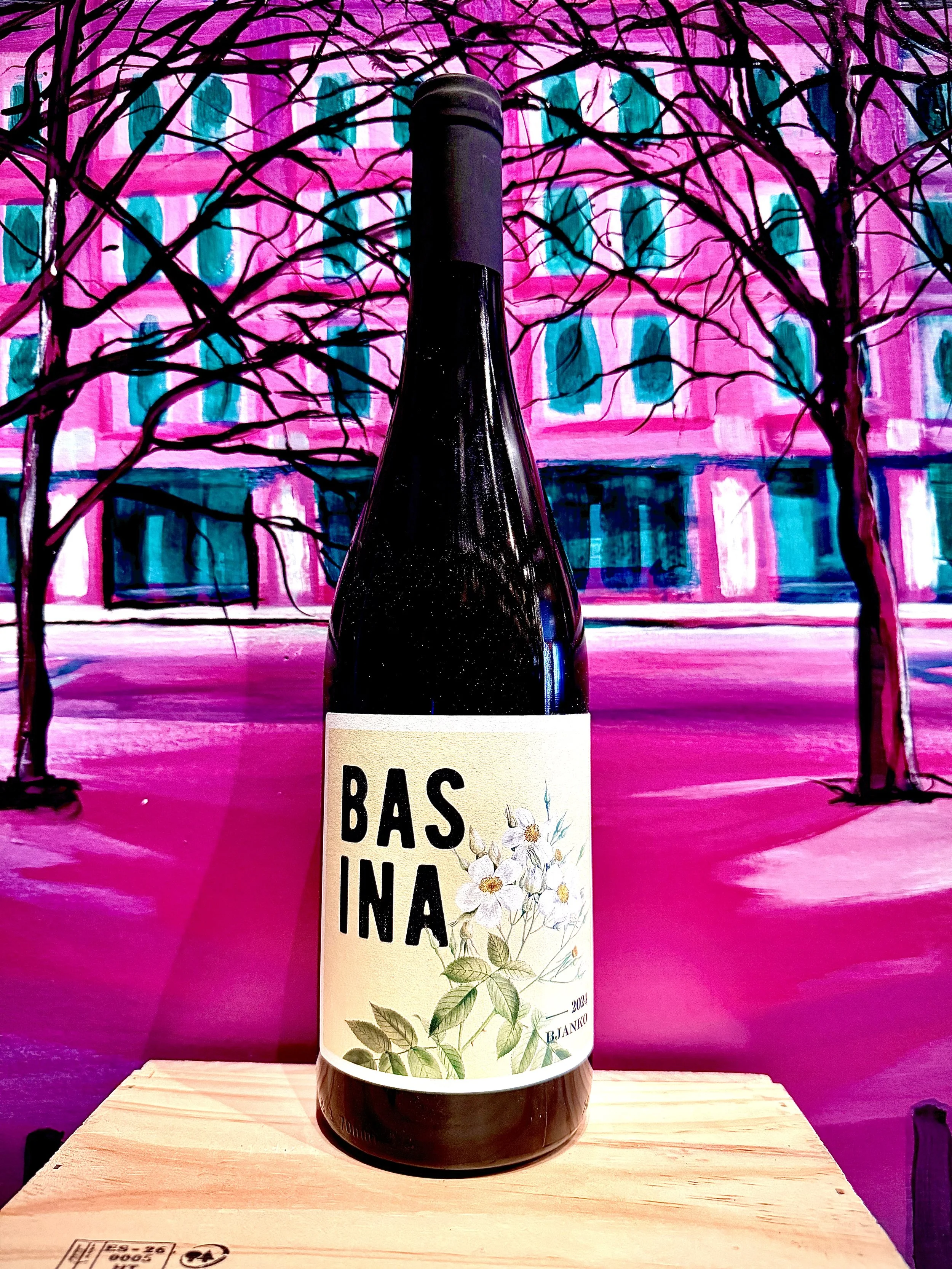
Bura-Mrgudić 'Basina' Bjanko
Bura-Mrgudić 'Basina' Bjanko
Grapes — 50% Pošip, 20% Debit, 20% Maraština, 10% Trbjan
Region — Pelješac Peninsula, Dalmatia, Croatia
Tasting Notes — Golden and luminous in the glass, bright with coastal energy. Sunshine, bitter herbs, dried pear, and briny sea-salt minerality on the nose — unmistakably Dalmatian. The palate is textured and lively, with a rustic, chalky limestone quality to the tannins from the skin contact and a long, saline finish that practically demands a plate of fresh seafood. A wine that tastes exactly like where it comes from, which is the highest compliment possible.
The Wine — A blend of four indigenous Dalmatian white varieties grown on the inland slopes of the Pelješac Peninsula, 300 meters above sea level on red clay soils over a limestone base. In 2024, winemaker Boris Mrgudić pivoted the blend to showcase Pošip — a coveted variety increasingly rare on the mainland, as most of it grows on the small island of Korčula and disappears into the hands of summer tourists before it ever sees export. The name Basina comes from an ancient Illyric settlement on the family's land, dating back nearly 3,000 years — a deliberate choice by the younger generation to honor the deep, unbroken thread of winemaking culture in this corner of the Adriatic.
Farming — Organically farmed. No irrigation. The only treatments applied in the vineyard are powdered sulfites and copper in difficult vintages — nothing else. The steep, south-facing slopes of Pelješac are so precipitous that all vineyard work must be done entirely by hand, year after year, generation after generation.
Winemaking — Hand harvested, slightly raisinated grapes destemmed and naturally fermented in open vats with native yeasts and manual punchdowns. Three days of skin maceration in stainless steel, then aged six months in bottle before release. Coarsely filtered before bottling — worth noting, though the wine retains exceptional texture and character.
The Producer — The Bura family has been making wine on the Pelješac Peninsula since 1410 — sixteen generations of unbroken tradition on one of Croatia's most extraordinary pieces of land. The modern chapter began in 1995, when siblings Niko Bura and Mare Mrgudić produced their first estate-bottled vintage under the family label — just 4,000 bottles of Bura Dingač, which would go on to become one of Croatia's most celebrated wines. Mare Mrgudić was one of the first female winery owners in post-communist Croatia, and it was her vision and determination that brought these wines to the international stage at a time when Croatian wine was virtually unknown outside its borders. The Basina project is now led by Boris Mrgudić, the next generation, carrying Mare and Niko's legacy forward while celebrating the ancient indigenous varieties and winemaking traditions that make Pelješac unlike anywhere else on earth.
Drink It With — Grilled whole fish drizzled with young Dalmatian olive oil, salt-crusted sea bass, shellfish, octopus salad, or anything fresh from the Adriatic.
Bura-Mrgudić 'Basina' Bjanko
Grapes — 50% Pošip, 20% Debit, 20% Maraština, 10% Trbjan
Region — Pelješac Peninsula, Dalmatia, Croatia
Tasting Notes — Golden and luminous in the glass, bright with coastal energy. Sunshine, bitter herbs, dried pear, and briny sea-salt minerality on the nose — unmistakably Dalmatian. The palate is textured and lively, with a rustic, chalky limestone quality to the tannins from the skin contact and a long, saline finish that practically demands a plate of fresh seafood. A wine that tastes exactly like where it comes from, which is the highest compliment possible.
The Wine — A blend of four indigenous Dalmatian white varieties grown on the inland slopes of the Pelješac Peninsula, 300 meters above sea level on red clay soils over a limestone base. In 2024, winemaker Boris Mrgudić pivoted the blend to showcase Pošip — a coveted variety increasingly rare on the mainland, as most of it grows on the small island of Korčula and disappears into the hands of summer tourists before it ever sees export. The name Basina comes from an ancient Illyric settlement on the family's land, dating back nearly 3,000 years — a deliberate choice by the younger generation to honor the deep, unbroken thread of winemaking culture in this corner of the Adriatic.
Farming — Organically farmed. No irrigation. The only treatments applied in the vineyard are powdered sulfites and copper in difficult vintages — nothing else. The steep, south-facing slopes of Pelješac are so precipitous that all vineyard work must be done entirely by hand, year after year, generation after generation.
Winemaking — Hand harvested, slightly raisinated grapes destemmed and naturally fermented in open vats with native yeasts and manual punchdowns. Three days of skin maceration in stainless steel, then aged six months in bottle before release. Coarsely filtered before bottling — worth noting, though the wine retains exceptional texture and character.
The Producer — The Bura family has been making wine on the Pelješac Peninsula since 1410 — sixteen generations of unbroken tradition on one of Croatia's most extraordinary pieces of land. The modern chapter began in 1995, when siblings Niko Bura and Mare Mrgudić produced their first estate-bottled vintage under the family label — just 4,000 bottles of Bura Dingač, which would go on to become one of Croatia's most celebrated wines. Mare Mrgudić was one of the first female winery owners in post-communist Croatia, and it was her vision and determination that brought these wines to the international stage at a time when Croatian wine was virtually unknown outside its borders. The Basina project is now led by Boris Mrgudić, the next generation, carrying Mare and Niko's legacy forward while celebrating the ancient indigenous varieties and winemaking traditions that make Pelješac unlike anywhere else on earth.
Drink It With — Grilled whole fish drizzled with young Dalmatian olive oil, salt-crusted sea bass, shellfish, octopus salad, or anything fresh from the Adriatic.