
 Image 1 of 1
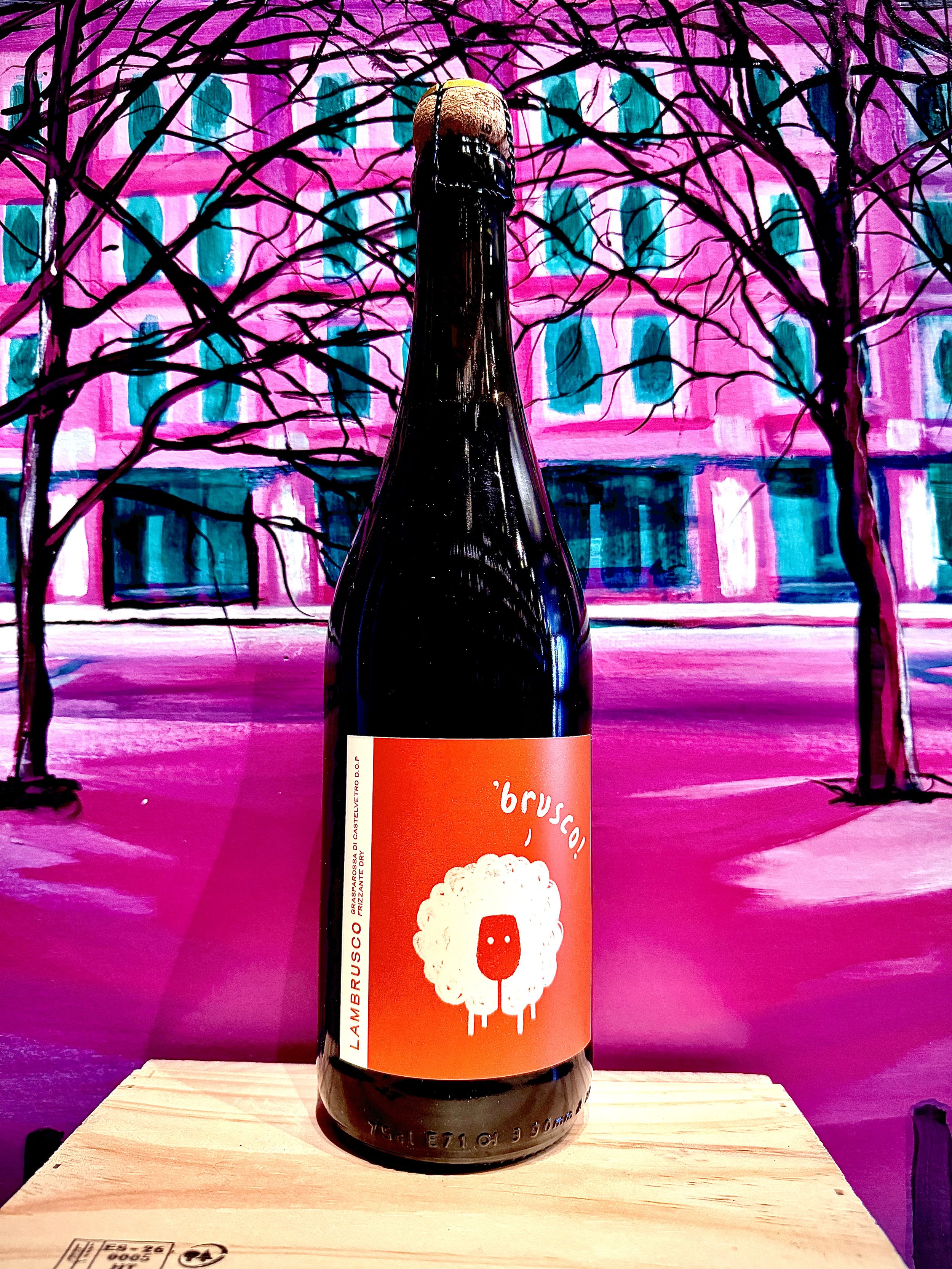
Cantina Sociale Formigine Pedemontana 'Brusco' Lambrusco Grasparossa di Castelvetro DOP
Cantina Sociale Formigine Pedemontana 'Brusco' Lambrusco Grasparossa di Castelvetro DOP
Grapes — 100% Lambrusco Grasparossa di Castelvetro
Region — Castelvetro di Modena, Emilia-Romagna, Italy
Tasting Notes — Deep, inky ruby with violet reflections and a lively, persistent froth. Intense and complex on the nose — dark blackberry, raspberry, ripe plum, and a whisper of violet and wild herbs underneath. The palate is dense, full-bodied, and pleasantly tannic — the Grasparossa clone's signature grip giving the wine a firmness that sets it apart from the lighter, more delicate styles of Lambrusco grown on the plains. Dry, fresh, and food-driven, with a clean, mouthwatering finish. Serve slightly chilled and pour generously.
The Wine — 100% Lambrusco Grasparossa di Castelvetro from the hillside vineyards south of Modena — the most structured and deeply colored of all Lambrusco varieties, grown on the clay and silt soils of the Apennine foothills between the Secchia and Panaro rivers. "Brusco" means sharp and tart in Italian — a direct descriptor of this dry, tannic style and an honest statement of intent from a cooperative with more than a century of making Lambrusco the way Emilia-Romagna has always drunk it: bold, food-loving, and completely unpretentious.
Farming — Grown across 600 hectares of member-farmer vineyards, 70% of which are dedicated to Lambrusco Grasparossa di Castelvetro DOC. The cooperative's approximately 380 growers farm the dry soils of the high plains and hills of Modena with a focus on expressing the distinctive character of the Grasparossa clone and its hillside terroir. Confirm with your rep whether the Brusco cuvée carries organic certification — the winery produces a certified organic Lambrusco separately.
Winemaking — Destemmed and soft-crushed, followed by cold maceration and primary fermentation in temperature-controlled stainless steel. Secondary fermentation in autoclave (Charmat method) at controlled temperature — a flag worth knowing for customers who seek ancestral method production, though the Charmat method is traditional and widespread across Lambrusco DOP production. Isobaric bottling. Drink within 15 months of harvest for maximum freshness.
The Producer — Cantina Sociale Formigine Pedemontana was founded on May 14th, 1920, by 49 local growers in the hills south of Modena — an act of collective conviction that small farmers, working together, could produce something worth being proud of. Their first president was Eugenio Guastalla, a forward-thinking landowner who led the cooperative with vision and dedication until 1938, when Mussolini's racial laws forced him to resign. The work he started never stopped. A century later, the cooperative merged with the nearby Cantina Pedemontana of Sassuolo to form the modern Cantina Formigine Pedemontana — now home to roughly 380 member growers farming over 600 hectares in the Lambrusco Grasparossa di Castelvetro DOC. The Brusco is their most characterful expression: a dry, structured, deeply regional wine that tastes exactly like the Emilian hills it comes from and pairs perfectly with the Emilian table.
Drink It With — Tagliatelle al ragù, mortadella, prosciutto di Modena, grilled sausages, pizza, or anything that benefits from a wine with genuine tannin, generous fruit, and the confidence of a hundred years of tradition behind it.
Cantina Sociale Formigine Pedemontana 'Brusco' Lambrusco Grasparossa di Castelvetro DOP
Grapes — 100% Lambrusco Grasparossa di Castelvetro
Region — Castelvetro di Modena, Emilia-Romagna, Italy
Tasting Notes — Deep, inky ruby with violet reflections and a lively, persistent froth. Intense and complex on the nose — dark blackberry, raspberry, ripe plum, and a whisper of violet and wild herbs underneath. The palate is dense, full-bodied, and pleasantly tannic — the Grasparossa clone's signature grip giving the wine a firmness that sets it apart from the lighter, more delicate styles of Lambrusco grown on the plains. Dry, fresh, and food-driven, with a clean, mouthwatering finish. Serve slightly chilled and pour generously.
The Wine — 100% Lambrusco Grasparossa di Castelvetro from the hillside vineyards south of Modena — the most structured and deeply colored of all Lambrusco varieties, grown on the clay and silt soils of the Apennine foothills between the Secchia and Panaro rivers. "Brusco" means sharp and tart in Italian — a direct descriptor of this dry, tannic style and an honest statement of intent from a cooperative with more than a century of making Lambrusco the way Emilia-Romagna has always drunk it: bold, food-loving, and completely unpretentious.
Farming — Grown across 600 hectares of member-farmer vineyards, 70% of which are dedicated to Lambrusco Grasparossa di Castelvetro DOC. The cooperative's approximately 380 growers farm the dry soils of the high plains and hills of Modena with a focus on expressing the distinctive character of the Grasparossa clone and its hillside terroir. Confirm with your rep whether the Brusco cuvée carries organic certification — the winery produces a certified organic Lambrusco separately.
Winemaking — Destemmed and soft-crushed, followed by cold maceration and primary fermentation in temperature-controlled stainless steel. Secondary fermentation in autoclave (Charmat method) at controlled temperature — a flag worth knowing for customers who seek ancestral method production, though the Charmat method is traditional and widespread across Lambrusco DOP production. Isobaric bottling. Drink within 15 months of harvest for maximum freshness.
The Producer — Cantina Sociale Formigine Pedemontana was founded on May 14th, 1920, by 49 local growers in the hills south of Modena — an act of collective conviction that small farmers, working together, could produce something worth being proud of. Their first president was Eugenio Guastalla, a forward-thinking landowner who led the cooperative with vision and dedication until 1938, when Mussolini's racial laws forced him to resign. The work he started never stopped. A century later, the cooperative merged with the nearby Cantina Pedemontana of Sassuolo to form the modern Cantina Formigine Pedemontana — now home to roughly 380 member growers farming over 600 hectares in the Lambrusco Grasparossa di Castelvetro DOC. The Brusco is their most characterful expression: a dry, structured, deeply regional wine that tastes exactly like the Emilian hills it comes from and pairs perfectly with the Emilian table.
Drink It With — Tagliatelle al ragù, mortadella, prosciutto di Modena, grilled sausages, pizza, or anything that benefits from a wine with genuine tannin, generous fruit, and the confidence of a hundred years of tradition behind it.