
 Image 1 of 1
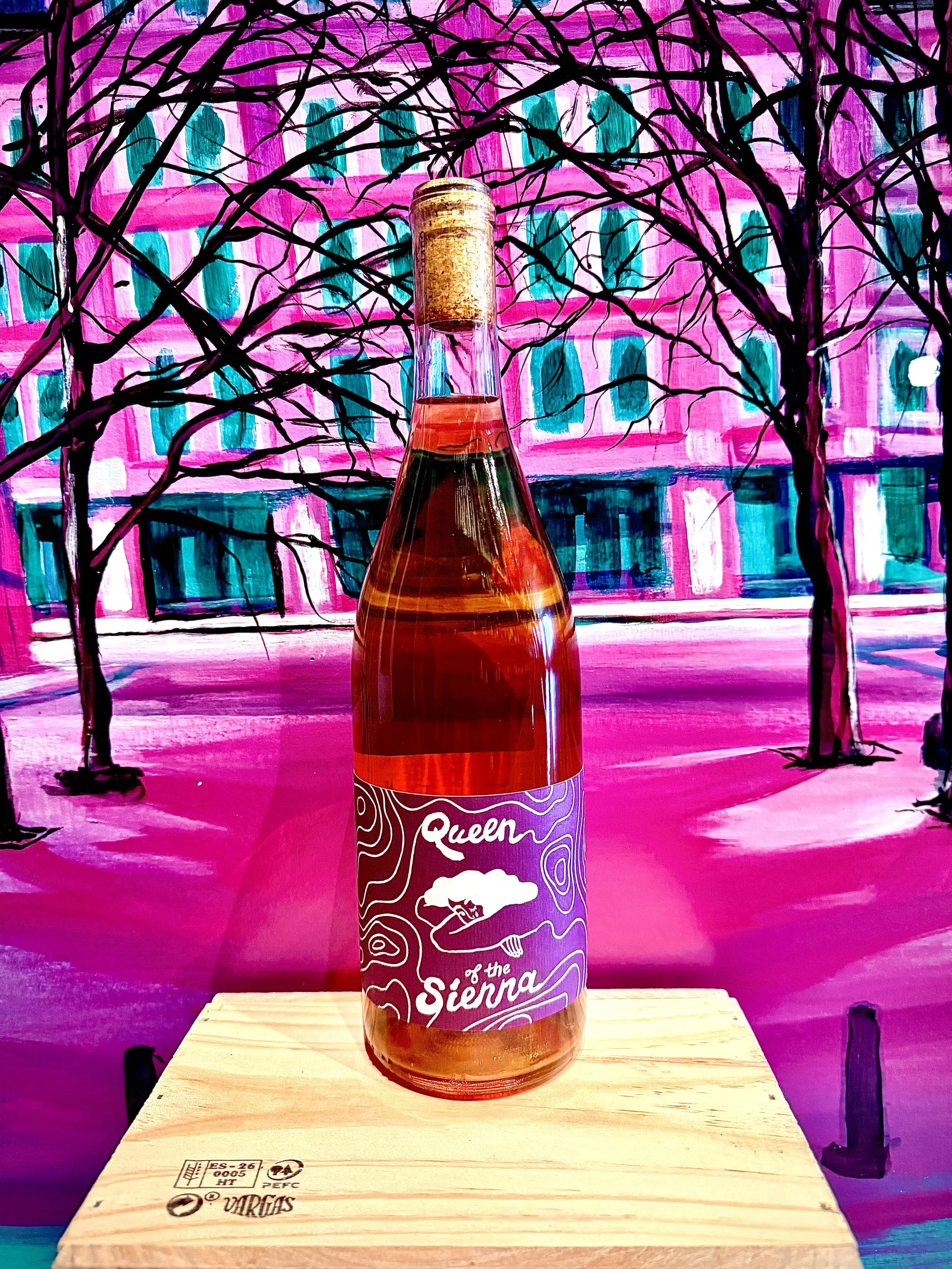
Forlorn Hope 'Queen of the Sierra' Amber
Forlorn Hope 'Queen of the Sierra' Amber
Grapes — Verdelho, Albariño, Muscat, Chardonnay
Region — Sierra Foothills, Calaveras County, California
Tasting Notes — Warm amber gold in the glass with a luminous glow. Honey, dried apricot, pear skin, tropical citrus, and baking spice on the nose — aromatic and generous without being heavy. The palate is textured and precise, with Rainier cherry, ripe pear, and apricot layered over a grippy tannic backbone and bright, electric acidity. The limestone soils of the Sierra Foothills make themselves known in a long, mineral-driven finish. Beautifully nuanced and irreverently elegant — exactly as advertised.
The Wine — An extended skin-contact amber wine from Rorick Heritage Vineyard, a certified organic 80-acre estate planted at 2,000 feet elevation in Calaveras County, on a rare combination of schist over dolomite-rich limestone that gives the wines their signature mineral tension. The blend varies slightly by vintage but anchors on Verdelho, Albariño, Muscat, and Chardonnay — a lineup that pays tribute to California's eclectic and often overlooked winemaking heritage.
Farming — Certified organic since 2013. The Rorick Heritage Vineyard is farmed with the conviction that site and farming produce everything worth finding in a bottle — leaving the winery nothing to do but stay out of the way. High elevation, limestone soils, and cold Sierra nights do the heavy lifting.
Winemaking — Hand-harvested, with fermentation in open-top vessels — some fruit destemmed, some left whole bunch — using only native yeasts. Matthew Rorick's approach to winemaking is to listen: to watch what each ferment wants to become and guide it there without interference. Some lots receive experimental treatment that reflects his curiosity — Vermentino sealed in a concrete egg for four months untouched, Muscat fermented carbonically — adding aromatic complexity that no recipe could replicate. No cultured yeast, no ML bacteria, no water, no acid additions, no enzymes, no nutrients, no new oak. Only minimal SO2 at bottling. Bottled unfined and unfiltered.
The Producer — Matthew Rorick is a one-man operation — tending every fermentation, guiding every wine from vine to bottle himself on the limestone slopes of Rorick Heritage Vineyard in the Sierra Foothills. The name Forlorn Hope comes from the Dutch verloren hoop, meaning "lost troop" — the name given to the band of soldiers who volunteered to lead the charge directly into enemy defenses. The chance of success was always slim, but glory went to the survivors. It's an apt name for a California winemaker devoted to obscure varieties, radical non-intervention, and a region most of the wine world hasn't discovered yet. Every wine Forlorn Hope makes is an honest, unadulterated expression of what Rorick Heritage Vineyard gave in that particular vintage — nothing added, nothing removed, nothing hidden.
Drink It With — Roasted chicken with herbs, spiced lamb, aged Gouda, miso-glazed fish, jalapeño poppers if you're feeling bold, or anything that benefits from a wine with texture, spine, and a genuine sense of adventure.
Forlorn Hope 'Queen of the Sierra' Amber
Grapes — Verdelho, Albariño, Muscat, Chardonnay
Region — Sierra Foothills, Calaveras County, California
Tasting Notes — Warm amber gold in the glass with a luminous glow. Honey, dried apricot, pear skin, tropical citrus, and baking spice on the nose — aromatic and generous without being heavy. The palate is textured and precise, with Rainier cherry, ripe pear, and apricot layered over a grippy tannic backbone and bright, electric acidity. The limestone soils of the Sierra Foothills make themselves known in a long, mineral-driven finish. Beautifully nuanced and irreverently elegant — exactly as advertised.
The Wine — An extended skin-contact amber wine from Rorick Heritage Vineyard, a certified organic 80-acre estate planted at 2,000 feet elevation in Calaveras County, on a rare combination of schist over dolomite-rich limestone that gives the wines their signature mineral tension. The blend varies slightly by vintage but anchors on Verdelho, Albariño, Muscat, and Chardonnay — a lineup that pays tribute to California's eclectic and often overlooked winemaking heritage.
Farming — Certified organic since 2013. The Rorick Heritage Vineyard is farmed with the conviction that site and farming produce everything worth finding in a bottle — leaving the winery nothing to do but stay out of the way. High elevation, limestone soils, and cold Sierra nights do the heavy lifting.
Winemaking — Hand-harvested, with fermentation in open-top vessels — some fruit destemmed, some left whole bunch — using only native yeasts. Matthew Rorick's approach to winemaking is to listen: to watch what each ferment wants to become and guide it there without interference. Some lots receive experimental treatment that reflects his curiosity — Vermentino sealed in a concrete egg for four months untouched, Muscat fermented carbonically — adding aromatic complexity that no recipe could replicate. No cultured yeast, no ML bacteria, no water, no acid additions, no enzymes, no nutrients, no new oak. Only minimal SO2 at bottling. Bottled unfined and unfiltered.
The Producer — Matthew Rorick is a one-man operation — tending every fermentation, guiding every wine from vine to bottle himself on the limestone slopes of Rorick Heritage Vineyard in the Sierra Foothills. The name Forlorn Hope comes from the Dutch verloren hoop, meaning "lost troop" — the name given to the band of soldiers who volunteered to lead the charge directly into enemy defenses. The chance of success was always slim, but glory went to the survivors. It's an apt name for a California winemaker devoted to obscure varieties, radical non-intervention, and a region most of the wine world hasn't discovered yet. Every wine Forlorn Hope makes is an honest, unadulterated expression of what Rorick Heritage Vineyard gave in that particular vintage — nothing added, nothing removed, nothing hidden.
Drink It With — Roasted chicken with herbs, spiced lamb, aged Gouda, miso-glazed fish, jalapeño poppers if you're feeling bold, or anything that benefits from a wine with texture, spine, and a genuine sense of adventure.