
 Image 1 of 1
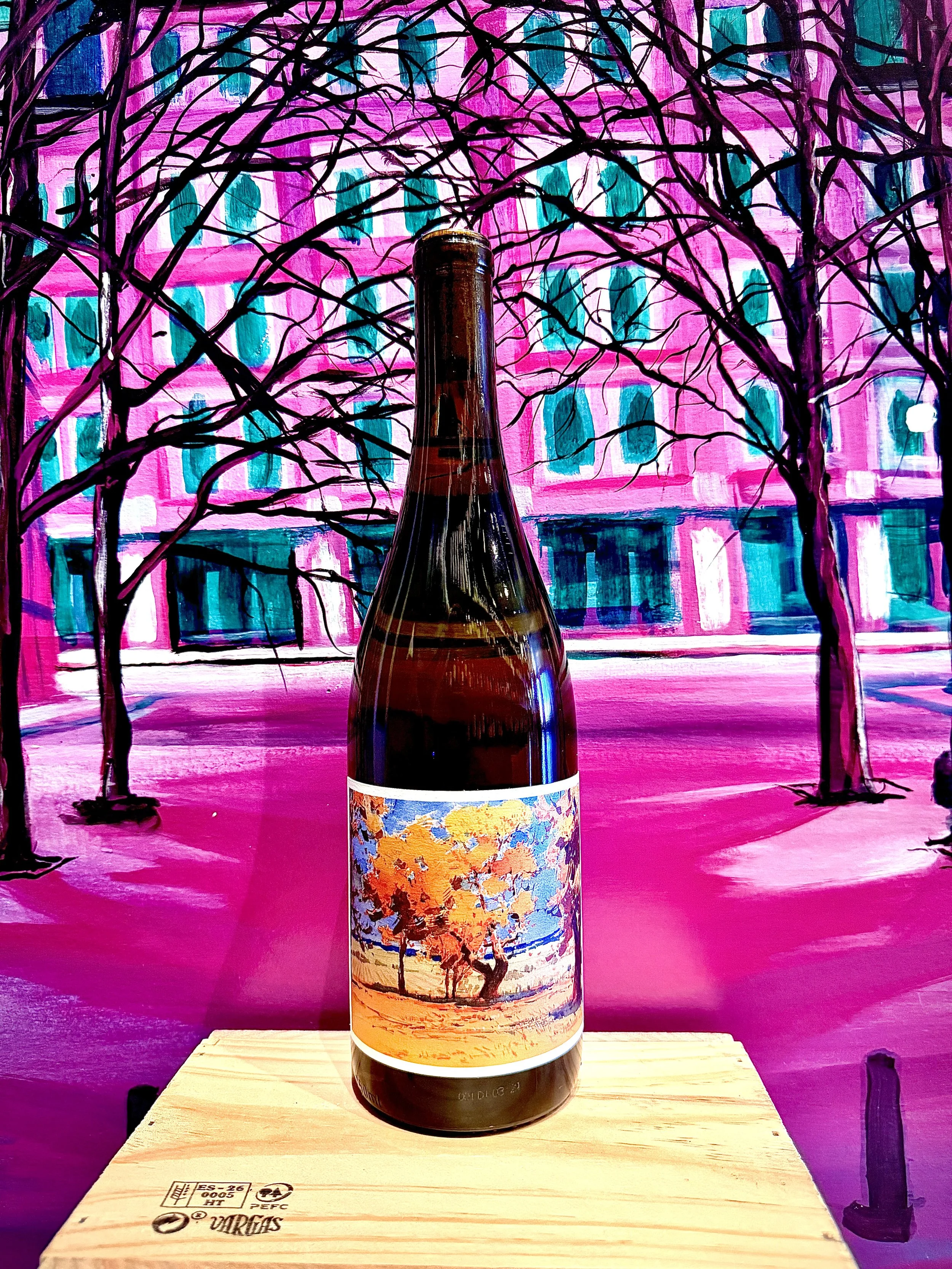
Johan Vineyards Melon de Bourgogne
Johan Vineyards Melon de Bourgogne
Grapes — 100% Melon de Bourgogne
Region — Van Duzer Corridor AVA, Willamette Valley, Oregon
Tasting Notes — Pale gold with a quiet luminosity. Green apple, lemon curd, and fresh pear on the nose, with a whisper of sea salt and white flowers. The palate is crisp and textured — bright citrus acidity with a creamy lees-driven weight underneath, and a long mineral finish that pulls you back for another sip. Unmistakably Melon de Bourgogne, and unmistakably Oregon at the same time.
The Wine — 100% Melon de Bourgogne from Johan's estate in the Van Duzer Corridor, a narrow gap in the Coast Range that funnels cold Pacific air directly into the Willamette Valley — creating one of the coolest, most wind-driven growing environments in all of Oregon. The marine sedimentary soils of the site give the wine its characteristic mineral tension and salinity. Inspired by the great Muscadet Sur Lie wines of France's Loire Valley, this wine undergoes a brief skin maceration before pressing, followed by barrel fermentation and 11 months of aging on its original lees — a deliberate choice to build complexity and a creamy textural depth that conventional white winemaking never achieves.
Farming — Demeter certified biodynamic across all 85 acres of estate vineyard. Johan Vineyards farms as a self-sustaining holistic system — cover crops, composting, biodynamic preparations applied according to the lunar calendar, and a deep commitment to biodiversity throughout the property. No synthetic pesticides, herbicides, or chemical fertilizers of any kind.
Winemaking — Fermented exclusively with native yeasts from the vineyard and cellar — the winery has never used a cultivated yeast strain. No acidification, no chaptalization, no tannin adjustments. Brief skin maceration before pressing, barrel fermented, aged on original lees for 11 months. Minimal additives, limited only to what is essential for stability per Demeter's rigorous standards.
The Producer — Johan Vineyards is a Demeter certified biodynamic estate in the Van Duzer Corridor AVA, one of Oregon's most distinctive and wind-swept growing environments. The estate farms 85 acres of diverse cool-climate varieties — from Pinot Noir and Chardonnay to Grüner Veltliner, Blaufränkisch, Ribolla Gialla, Melon de Bourgogne, and beyond — with a philosophy rooted in the conviction that diversity creates a healthier vineyard and more interesting wines. Every winemaking decision at Johan begins and ends with the same question: does this preserve the integrity of the place? No commercial yeasts, no chemical adjustments, no intervention for its own sake. The Melon de Bourgogne is quickly becoming one of their most celebrated whites — a wine that earns its Loire Valley reference not by imitation, but by finding the same kind of cool-climate mineral precision in the Pacific Northwest that the best Muscadet finds in the Atlantic-influenced hills of France.
Drink It With — Fresh oysters on the half shell, Dungeness crab, grilled Pacific halibut, steamed clams, aged goat cheese, or a summer evening on any stretch of the Oregon coast.
Johan Vineyards Melon de Bourgogne
Grapes — 100% Melon de Bourgogne
Region — Van Duzer Corridor AVA, Willamette Valley, Oregon
Tasting Notes — Pale gold with a quiet luminosity. Green apple, lemon curd, and fresh pear on the nose, with a whisper of sea salt and white flowers. The palate is crisp and textured — bright citrus acidity with a creamy lees-driven weight underneath, and a long mineral finish that pulls you back for another sip. Unmistakably Melon de Bourgogne, and unmistakably Oregon at the same time.
The Wine — 100% Melon de Bourgogne from Johan's estate in the Van Duzer Corridor, a narrow gap in the Coast Range that funnels cold Pacific air directly into the Willamette Valley — creating one of the coolest, most wind-driven growing environments in all of Oregon. The marine sedimentary soils of the site give the wine its characteristic mineral tension and salinity. Inspired by the great Muscadet Sur Lie wines of France's Loire Valley, this wine undergoes a brief skin maceration before pressing, followed by barrel fermentation and 11 months of aging on its original lees — a deliberate choice to build complexity and a creamy textural depth that conventional white winemaking never achieves.
Farming — Demeter certified biodynamic across all 85 acres of estate vineyard. Johan Vineyards farms as a self-sustaining holistic system — cover crops, composting, biodynamic preparations applied according to the lunar calendar, and a deep commitment to biodiversity throughout the property. No synthetic pesticides, herbicides, or chemical fertilizers of any kind.
Winemaking — Fermented exclusively with native yeasts from the vineyard and cellar — the winery has never used a cultivated yeast strain. No acidification, no chaptalization, no tannin adjustments. Brief skin maceration before pressing, barrel fermented, aged on original lees for 11 months. Minimal additives, limited only to what is essential for stability per Demeter's rigorous standards.
The Producer — Johan Vineyards is a Demeter certified biodynamic estate in the Van Duzer Corridor AVA, one of Oregon's most distinctive and wind-swept growing environments. The estate farms 85 acres of diverse cool-climate varieties — from Pinot Noir and Chardonnay to Grüner Veltliner, Blaufränkisch, Ribolla Gialla, Melon de Bourgogne, and beyond — with a philosophy rooted in the conviction that diversity creates a healthier vineyard and more interesting wines. Every winemaking decision at Johan begins and ends with the same question: does this preserve the integrity of the place? No commercial yeasts, no chemical adjustments, no intervention for its own sake. The Melon de Bourgogne is quickly becoming one of their most celebrated whites — a wine that earns its Loire Valley reference not by imitation, but by finding the same kind of cool-climate mineral precision in the Pacific Northwest that the best Muscadet finds in the Atlantic-influenced hills of France.
Drink It With — Fresh oysters on the half shell, Dungeness crab, grilled Pacific halibut, steamed clams, aged goat cheese, or a summer evening on any stretch of the Oregon coast.